


 Delivery
 Returns
 Size Guide
 Check Gift Card Balance
 Promotion T&Cs


Every Thread Tells a Story | Laura, Chief Creative Officer
Meet The Changemakers; the people leading the way at Seasalt to create a kinder, fairer and more responsible future for the clothing industry.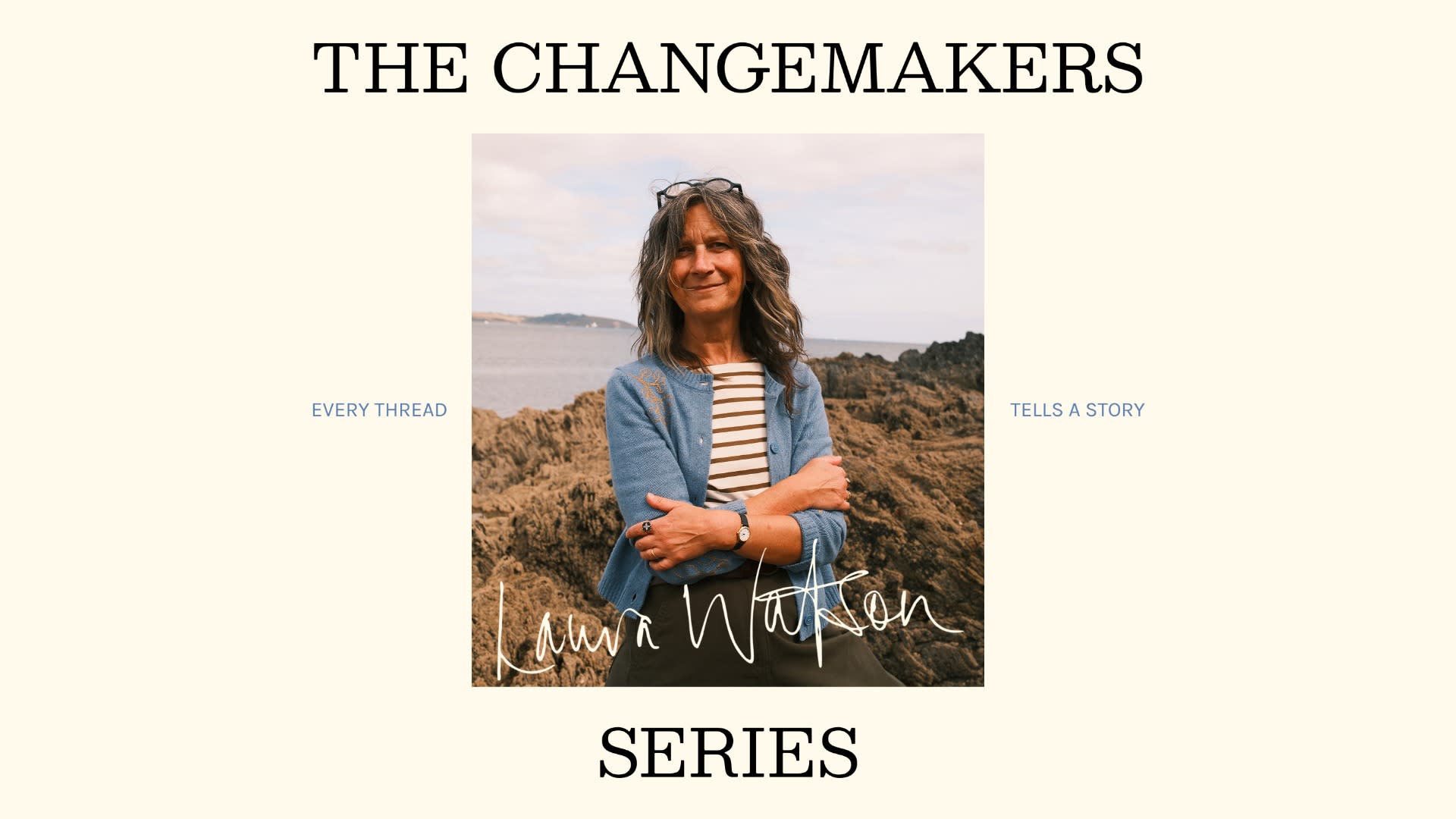

Early conversations in small coastal studios shaped what Seasalt is today, and Laura was part of the original team that defined our foundational purpose: to design responsibly made clothing that would never compromise on quality or sustainability.
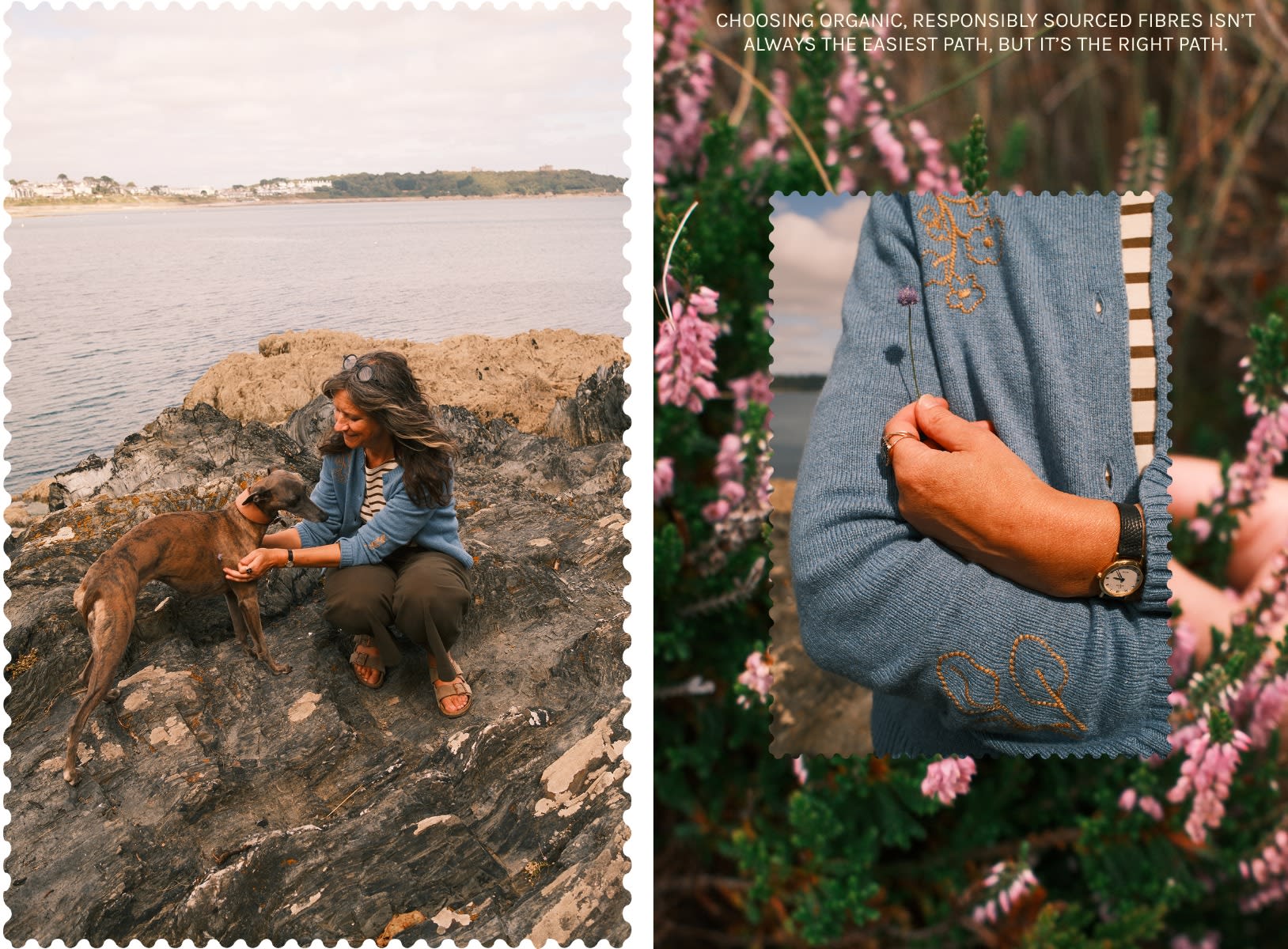
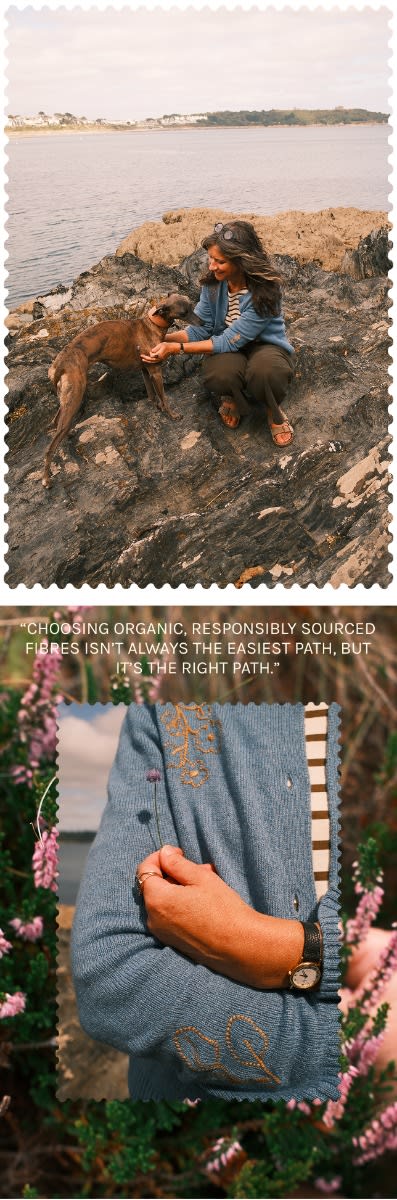
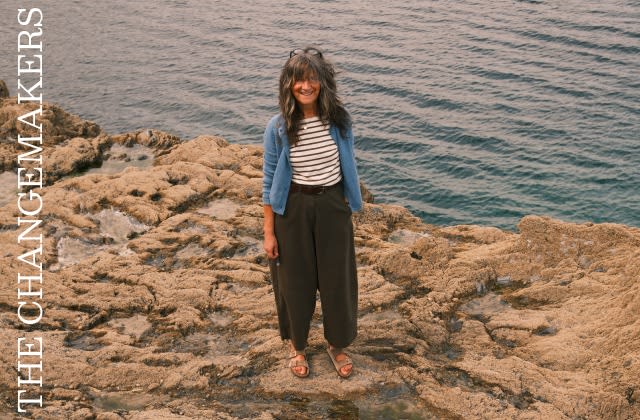
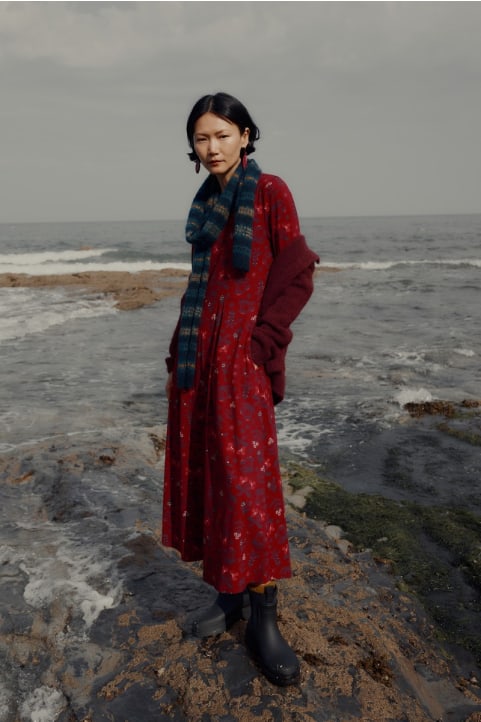
Today, as Chief Creative Officer, Laura leads the way on our responsible design journey. We walked down to Seal Rock with Laura’s dog, Olive, to chat about what’s changed over the years, and what has stayed exactly the same.
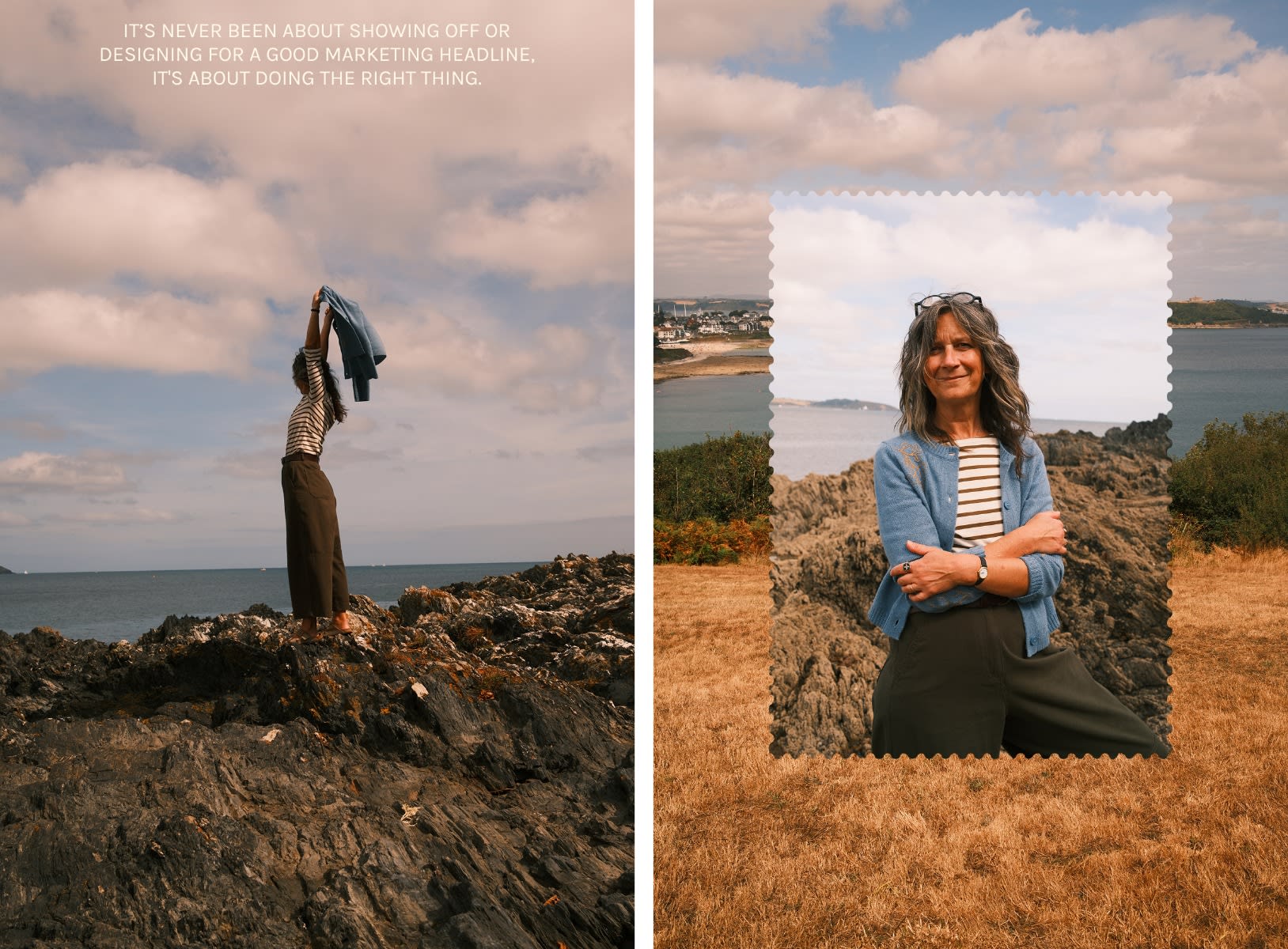
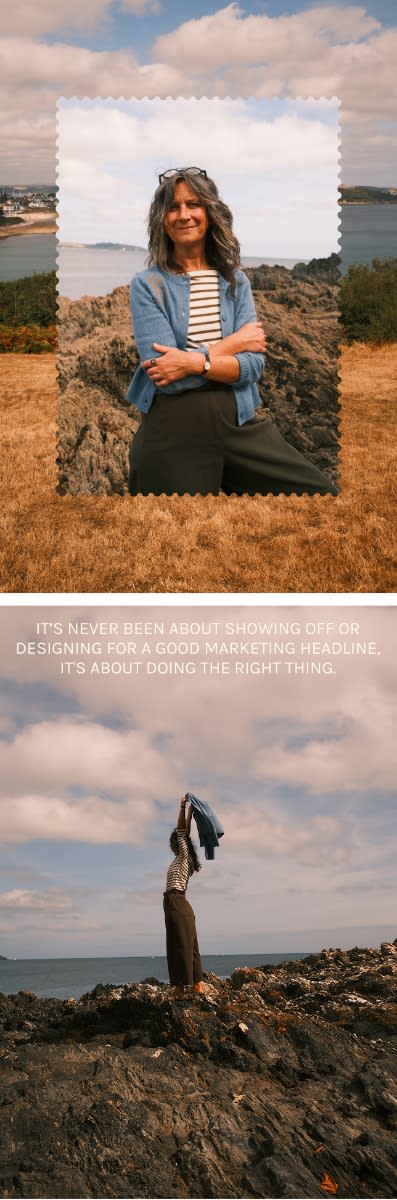
Laura wears our Potting Shed Cardigan with our Sailor 3/4 Sleeve Shirt
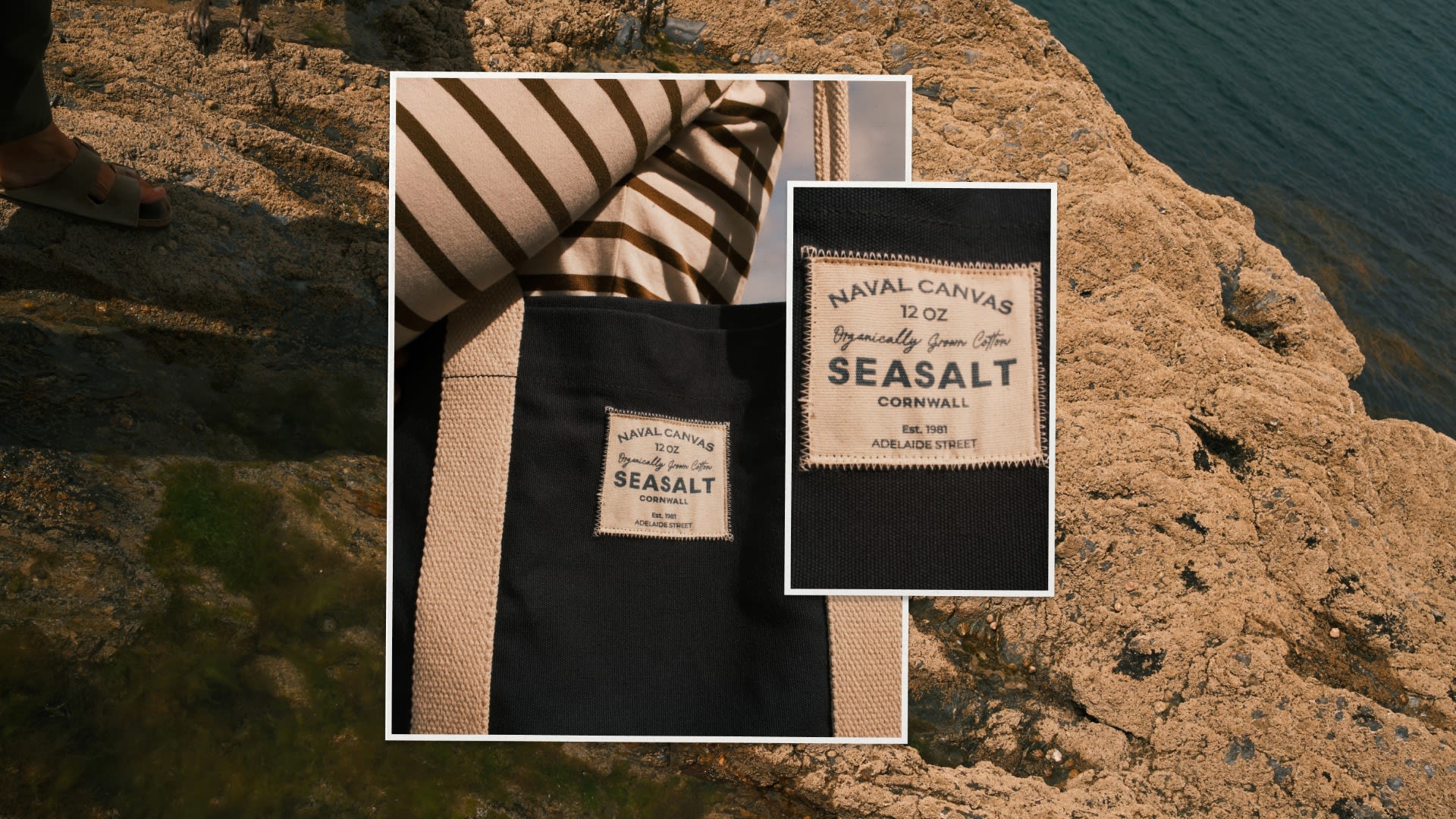
We've been using certified organic cotton since 2005. Not only were we the first brand to have garments certified to the Global Organic Textile Standard, but we actually helped the Soil Association set that standard.
If a product is GOTS-certified, it means we have documents to show that every stage of a piece's production, from farm to garment, has reached an organic standard. It’s a way of proving the provenance throughout the lifecycle of the product.
Cotton is such a brilliant fibre. It’s soft, light, versatile, breathable, easy to work with and easy to wear. We could use any cotton - but quality, responsibility and integrity are woven into everything we do. Choosing organic, responsibly sourced fibres isn’t always the easiest path, but it’s the right path. It’s never been about showing off or designing for a good marketing headline, it's about doing the right thing.
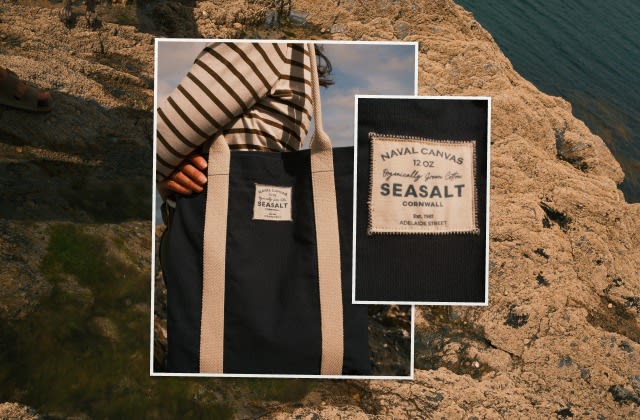
Organic farmers always grow other crops alongside their cotton, and it is this balanced system that keeps soils healthy, encourages wildlife and protects topsoil. This process creates healthier soils, which act like a sponge to soak up more water during floods and hold it for longer during drought. It also provides farming families and their communities with a more stable, abundant and diverse food supply.
Genetically modified seeds are banned in organic farming. This means farmers aren’t reliant on a handful of GM companies. Instead, they save their seeds each year. Working with the environment in a long-term, sustainable way.
And crucially, organic farming doesn't use hazardous synthetic pesticides and fertilisers. Which protects the communities growing and harvesting our cotton, and means our rivers, lakes and drinking water are kept cleaner too. All of this is, and always has been, so important to us.
In the twenty-one years we’ve been using organic cotton, we’ve never wavered. But now, it’s time to innovate. Looking ahead, we are taking steps towards a more circular future. This includes reducing our reliance on virgin fibres by introducing good quality recycled cotton (and linen) fibres blended with our current organic cotton to create a premium fabric with an even lower impact.
We’re right at the beginning of our circularity journey and we’re met with new challenges every day, but carving a path that does better by the environment is what we do best. The route ahead is as exciting as it is important, and I can’t wait to see where it leads us.









More Stories

Brighten The Season With Femmes De La Mer
A closer look at our Christmas shoot with Cornish folk group, Femmes De La Mer. Shop the looks, embrace the season and meet our muses.
Read more

The Story of our Christmas Lanterns | Studio Visit
The glowing paper lanterns in our Christmas shoot were crafted by Cornwall-based artist, Imogen Bone. We visited her studio on a wintry morning to see how they were made.
Read more

Festive Florals | The Language of Plants & Flowers
Wintertime invites a collection that celebrates festive florals and gilded botanicals.
Read more

Seeding Change Together | Restoring Seagrass with Cornwall Wildlife Trust
Shoots of hope are starting to grow in Cornwall's estuaries as part of our ongoing project to restore lost seagrass meadows.
Read more

The Winter Dress Edit | Design Diaries
Our design team take a closer look at four dresses we'll wearing on rotation this winter.
Read more

Jeans & A Nice Top | Stylist's Notes
A simple combination done four ways. Our stylist Alex creates a line-up of looks to take you from Christmas markets to New Year’s parties.
Read more

Living with Purpose | Christian, Director of ESG
The second edition of The Changemakers; a series where we meet the people leading the way at Seasalt to create a kinder, fairer and more responsible future for the clothing industry.
Read more

The Janelle Waterproofs | Design Stories
A best-selling coat that became an icon. The Seasalt design team share the story of the Janelle, a waterproof that inspired a new range of products for rainy days.
Read more

Every Thread Tells a Story | Laura, Chief Creative Officer
Meet The Changemakers; the people leading the way at Seasalt to create a kinder, fairer and more responsible future for the clothing industry.
Read more

Our Knitwear Designer | In the Studio
We meet with Seasalt’s Knitwear Designer to talk heritage knitwear, the rich history behind the Fair Isle, and the art of storytelling.
Read more